

"Rejection Journals" to Track and Flip Failures
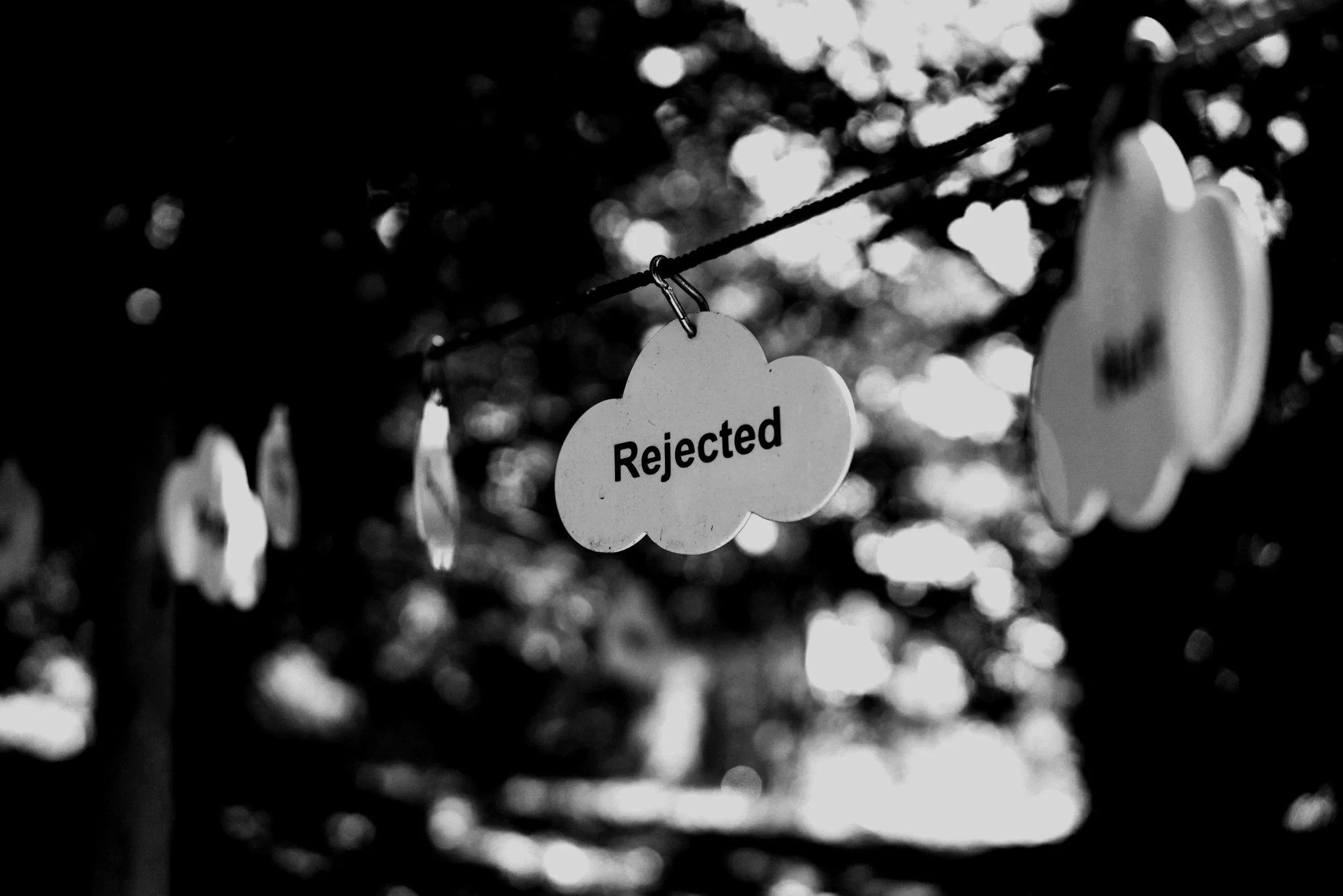
You already keep a rejection journal.
It’s the one in your head at 1am. The one that replays every interview, every unanswered application, and every time you froze when they asked about local experience. That version doesn’t help, it just keeps you stuck.
Many international graduates in Australia are carrying this heavy mental loop while dealing with the 485 visa pressure and a tough job market. There’s a better way.
A proper Rejection Journal is not just writing down your pain. It’s a structured tool that helps you learn, improve, and protect your mental health.
Here are five practical ways to start and use a Rejection Journal:
1. Set a timer and keep it short
Give yourself 10 to 15 minutes maximum. Set a timer and stop when it ends, even if you’re mid-sentence. This prevents you from endlessly circling the same hurt.
2. Follow these four questions
What happened? (keep it factual and boring) Example: Applied for the Junior Analyst role on 3 June. Phone screen on 11 June. Rejection email on 14 June. No feedback.
What did I do well? Write down even small wins. Maybe you got to the phone screen for the first time, or you didn’t apologise for your accent. These small improvements matter.
What would I do differently? Name one specific, practical thing. Not “I’m bad at interviews” but “I will prepare two stronger examples for the experience gap question.”
What is my next small action? Make it something you can complete this week, rewrite your answer and practise it out loud, update one section of your CV, or email a recruiter for feedback.
Then close the book. Literally close it. The process has an end.
Why this works better than rumination
Research by psychologist James Pennebaker showed that writing about difficult experiences can improve mood and even physical health, but only when it’s structured. Unstructured writing night after night can keep you stuck in the pain.
By stepping back and treating the rejection like a case study (instead of a personal verdict), you create distance and clarity. After 8-10 entries, read them all together. You’ll start seeing real patterns instead of the 1am voice that says “I’m not good enough.”
One important reminder
This journal is a tool, not a cure for everything. If the heaviness follows you all day and feels bigger than the job search, please reach out to your university counselling service or a doctor. Asking for help is a smart and normal step.
Rejection hurts. The visa clock is loud. Family keeps asking for updates. It’s okay to feel the weight of it all. But you don’t have to carry it alone in your head at 1am. Give the thoughts a proper place with structure and limits. Start your Rejection Journal tonight. Ten minutes. Four questions. Close the book.
You are not failing, You are just gathering data and getting stronger. Many international grads who felt exactly like you are now working in their field.
Keep going. Your next chapter is still being written!
References
Headspace Australia (2026) Managing stress and building resilience. Available at: https://www.headspace.org.au (Accessed: 14 July 2026).
SEEK Career Advice (2026) Learning from rejection. Available at: https://www.seek.com.au/career-advice (Accessed: 15 July 2026).
Study Australia (2026) Supporting international students. Available at: https://www.studyaustralia.gov.au (Accessed: 15 July 2026).
Disclaimer
This blog contains links to external websites and platforms for informational purposes only. We are not affiliated with, endorsed by, or compensated by any of the organisations, platforms, or services mentioned. All references are provided to support students and readers in accessing useful resources.